






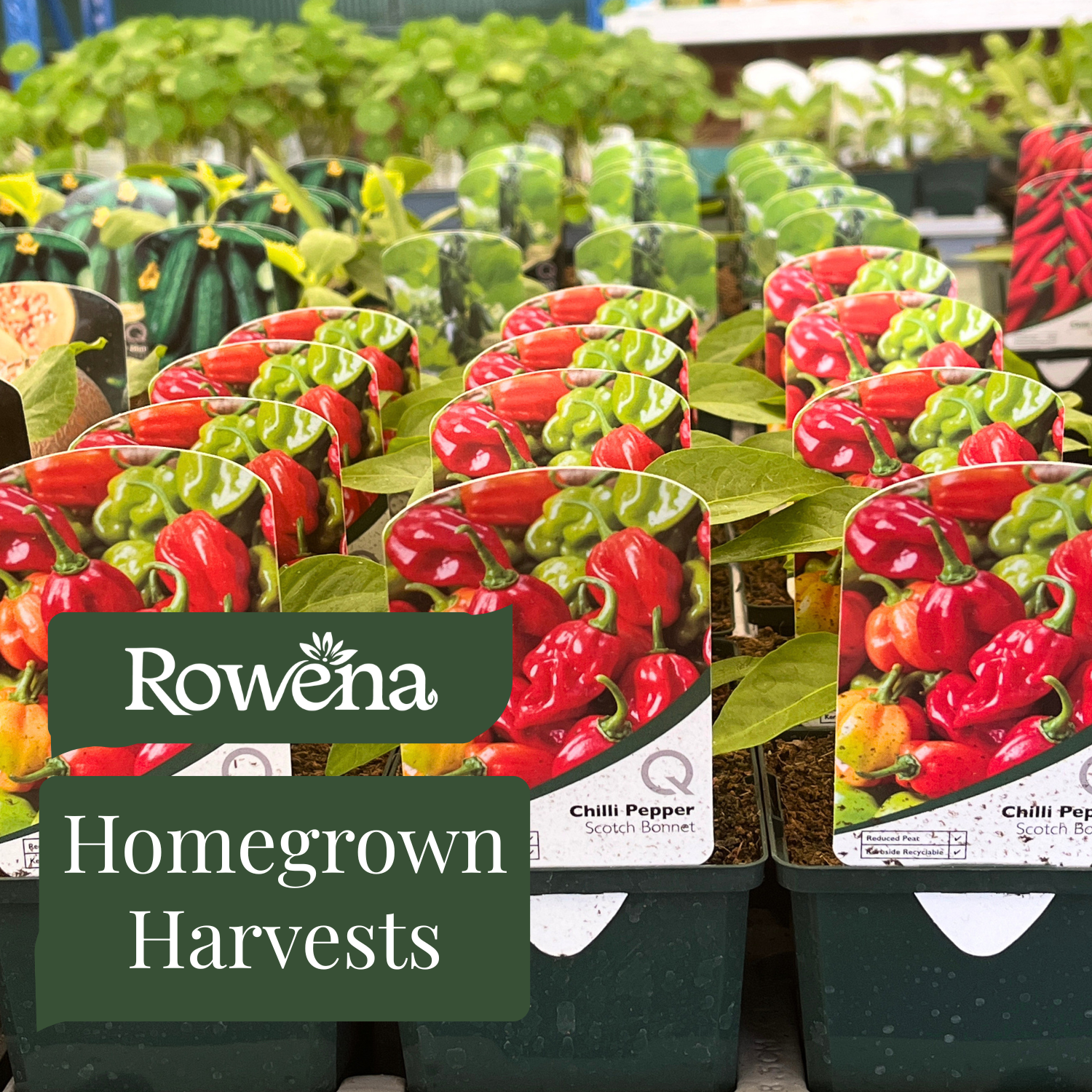
The Perfect Time to Plant Fruit and Veg: Tips and Tricks for a Thriving Home Harvest
There is something especially rewarding about stepping into the garden and picking your own strawberries, tomatoes, herbs, or lettuce straight from the soil. As the days grow longer and the weather begins to warm up, now is the perfect time to start planting fruit and vegetables for a productive and delicious season ahead!
Whether you are brand new to growing your own or already have a few harvests under your belt, a little planning now can make all the difference later. At Rowena Garden Centre, we love helping gardeners of all experience levels make the most of the growing season.

Why now is the best time to get started?
Spring is one of the most important times in the gardening calendar. The soil is beginning to warm up, daylight hours are increasing, and young plants have the ideal conditions to establish strong roots before the height of summer.
Planting now gives fruit and vegetable crops the best possible start. It also means you can enjoy a longer harvest period and better yields from many popular favourites.
Some of the best fruit and veg to plant at this time of year include:
- Tomatoes
- Lettuce
- Spinach
- Carrots
- Beetroot
- Peas
- Beans
- Courgettes
- Strawberries
- Raspberries
- Blueberries
- Herbs such as basil, mint, parsley, and chives
Start with the right spot
One of the biggest secrets to success is choosing the right location. Most fruit and vegetables thrive in a sunny, sheltered position with good airflow.
Try to pick a spot that gets at least six hours of sunlight a day. Leafy crops like lettuce and spinach can tolerate a little shade, but fruiting plants such as tomatoes, strawberries, and peppers will perform best in full sun.
If space is limited, don’t worry. Many crops grow beautifully in pots, raised beds, hanging baskets, and compact garden spaces.
Prepare your soil properly
Healthy soil is the foundation of a healthy crop. Before planting, take time to loosen the soil and remove weeds, stones, and old roots. Mixing in compost or well-rotted organic matter will improve drainage, add nutrients, and help plants establish more quickly.
If you are planting in containers, use a good-quality compost that is suitable for fruit and vegetables. This gives young plants the best start and helps retain moisture through warmer weather.
Don’t plant too much at once
This is one of the most common mistakes gardeners make. It is easy to get carried away and plant everything in one go, only to end up with a mountain of lettuce one week and nothing ready the next.
Instead, try sowing little and often. Planting smaller amounts every couple of weeks helps create a steady harvest and reduces waste. This works especially well for salad leaves, radishes, carrots, and herbs.

Give plants room to grow
It can be tempting to squeeze in just one more tomato plant or another row of carrots, but overcrowding usually leads to weaker plants, poor airflow, and more chance of disease.
Always check spacing recommendations on seed packets or plant labels. Giving plants enough room means they can access more light, water, and nutrients, and it makes maintenance much easier later on.
Water wisely
Young plants need regular watering while they establish, but consistency is more important than overdoing it. Water at the base of the plant rather than over the leaves, and aim to water early in the morning or later in the evening when evaporation is lower.
Container-grown crops will usually need watering more often than those planted in the ground, especially once the weather warms up.
A layer of mulch around your plants can also help hold moisture in the soil and keep weeds down. Less watering, fewer weeds, slightly less gardening chaos.
Feed for better harvests
Fruit and vegetable plants are hungry growers, especially once they begin flowering and producing crops. Feeding them regularly with the right plant food can make a noticeable difference to both quality and quantity.
Tomatoes, peppers, cucumbers, and strawberries particularly benefit from regular feeding during the growing season. A balanced feed early on, followed by a potash-rich feed for flowering and fruiting crops, can really help boost results.
Watch out for pests early
Slugs, snails, aphids, and hungry birds all seem to treat a fresh veg patch like an invitation. Checking plants regularly helps you spot problems before they get out of hand.
A few simple steps can go a long way:
- Protect young plants with netting or cloches
- Encourage beneficial insects into the garden
- Keep the area tidy and weed free
- Inspect leaves and stems regularly
And thats it! There has never been a better time to plant fruit and veg. With the right start now, you will be enjoying homegrown flavour, colour, and satisfaction in the weeks and months ahead.
Pop into Rowena Garden Centre and let’s get growing!


Leave a comment
This site is protected by hCaptcha and the hCaptcha Privacy Policy and Terms of Service apply.